


In-home support services provide a flexible solution allowing individuals to receive the help they need while maintaining control over their daily routines and lifestyle.

Caring for an aging loved one is an act of compassion, but it can also be physically and emotionally exhausting.
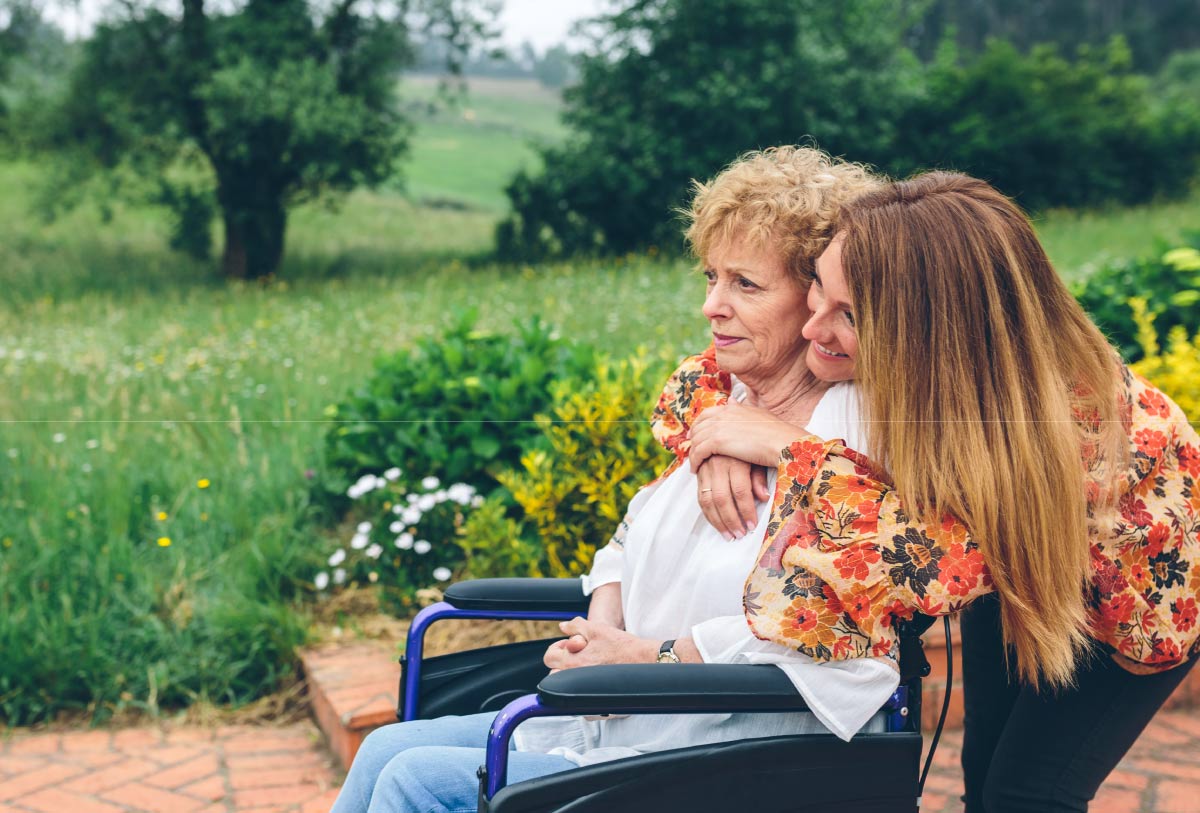
As we age, it’s common to become a little more forgetful. But when does “Where did I put my glasses?” shift from normal aging to something more concerning? When is it simply a distraction, and when could it be Alzheimer’s disease or another form of dementia?

Planning ahead allows the person diagnosed to remain at the centre of decisions about their life while they still have the ability to clearly communicate their wishes. It also reduces confusion, conflict, and stress for family members later on.

Understanding the types, causes, and early warning signs of dementia allows individuals and families to seek support sooner, protect independence, and make informed decisions about future care.

For many seniors, this time of year invites reflection on a lifetime shared with a beloved partner. For others, it may awaken tender memories of love lost. Both experiences are deeply human, and both deserve space, compassion, and understanding.

Looking for love can feel both exciting and a little intimidating, and that’s completely normal. Many seniors find themselves single later in life due to divorce, separation, or the loss of a beloved partner.
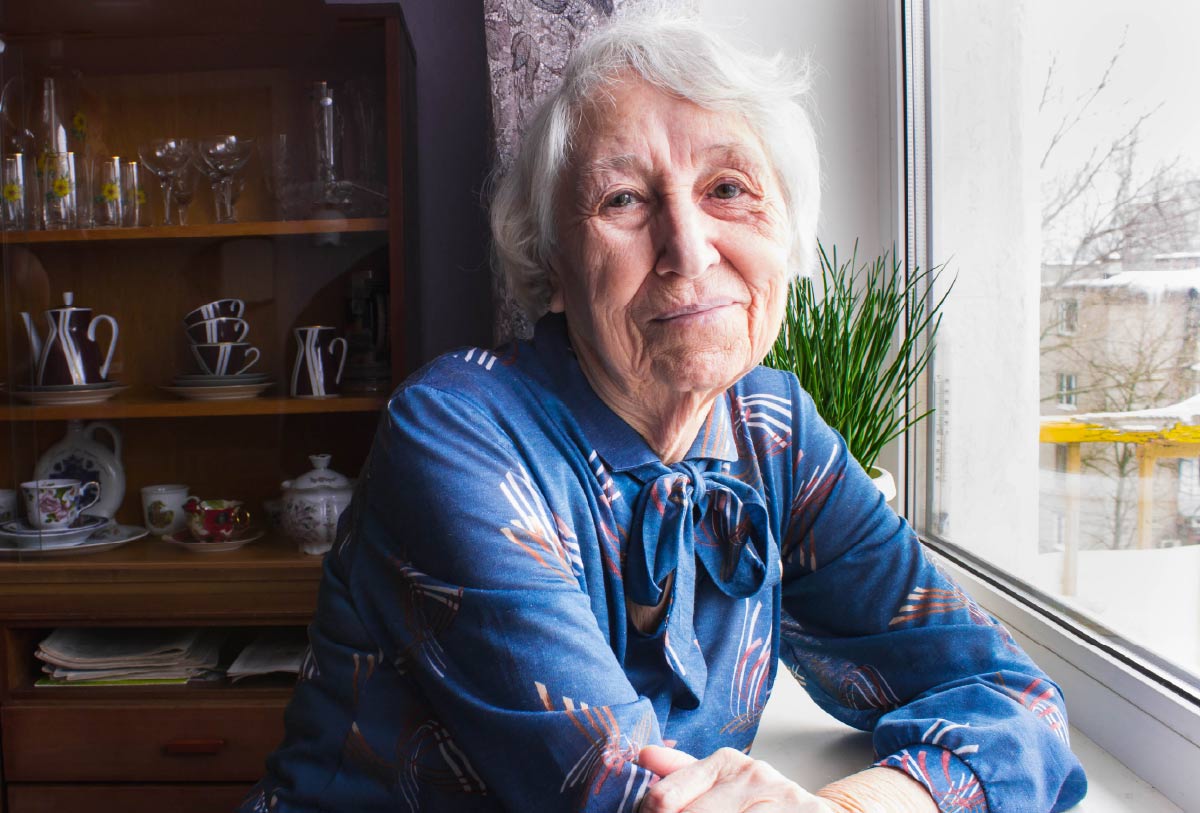
Valentine’s Day is often portrayed as a celebration of togetherness, a time to reconnect with a partner and reflect on love shared. For many seniors who have experienced the loss of a spouse or life partner, however, this day can carry a deeper emotional weight

Supporting your brain doesn’t require major changes or perfection. Even small, everyday choices, like improving the air in your home, staying mentally active, or moving a little more, can add up.
Your donation helps provide essential home care, making it possible for local seniors to age with dignity and comfort.


