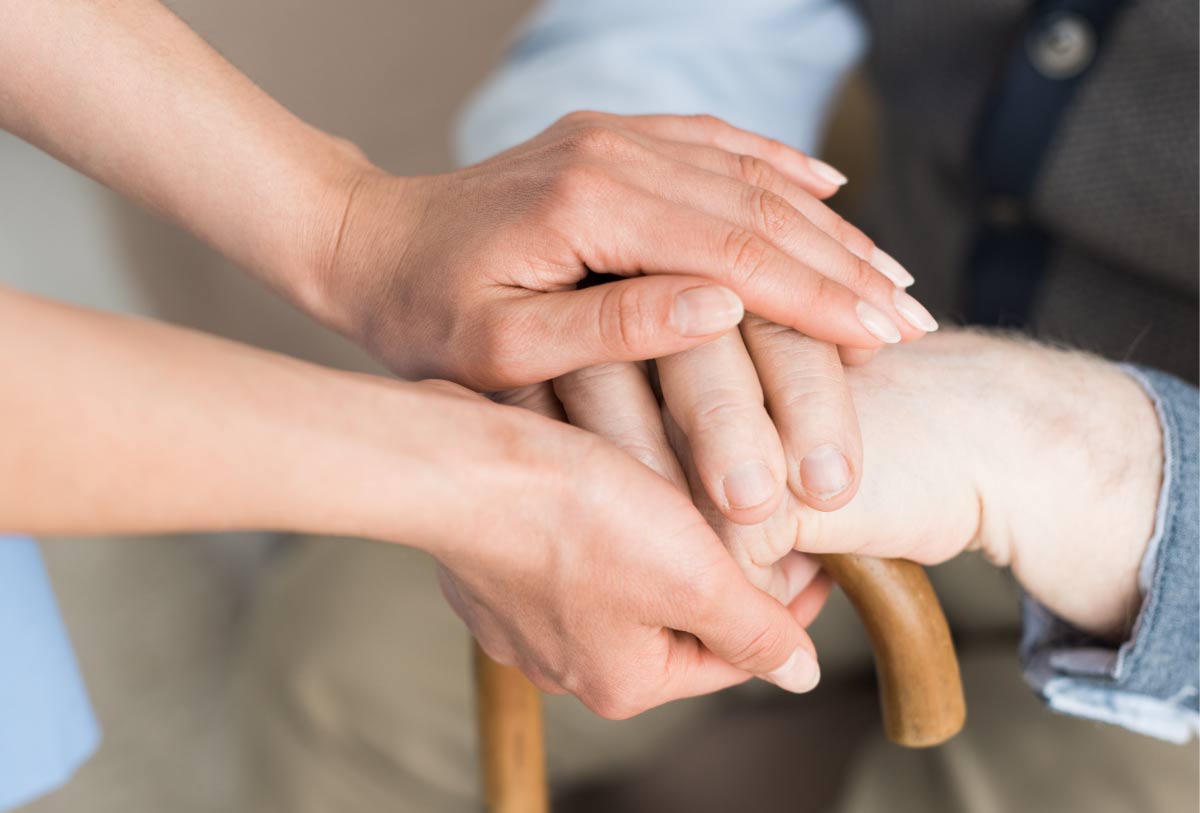
For many older adults, there's no place quite like home.
Whether it's the comfort of a favourite chair, a beloved garden, familiar neighbours, or treasured family memories, home represents independence, dignity, and security. Most seniors in British Columbia say they want to remain in their own homes for as long as possible, a concept known as aging in place.
However, as healthcare challenges continue across the province, remaining independent at home has become both more important and, in some cases, more difficult.
Longer wait times for medical appointments, delays in diagnostic testing, physician shortages, temporary emergency department closures in some communities, and an increasing demand for healthcare services are placing added pressure on seniors and their families. For older adults living with chronic health conditions, these delays can affect everything from routine medical care to recovery after illness or injury.
The good news is that seniors don't have to face these challenges alone. Across British Columbia, there is a growing number of community services, home support programs, and healthcare resources designed to help older adults remain safe, healthy, and independent in their own homes.
Aging in place means living safely and comfortably in your own home and community, regardless of age or ability.
Research consistently shows that seniors who can remain at home often experience:
For many people, staying at home also means remaining close to family, friends, faith communities, favourite activities, and neighbourhood supports.
But aging in place requires more than simply living at home; it requires access to healthcare, transportation, nutritious meals, social opportunities, and practical assistance when needed.
When healthcare services become more difficult to access, small health concerns can quickly become larger problems.
For example:
A senior waiting several months for diagnostic imaging may experience worsening pain or reduced mobility.
Someone waiting to see a specialist may postpone treatment that could prevent further complications.
A delayed surgery can make everyday activities like dressing, bathing, cooking, or climbing stairs increasingly difficult.
Even routine follow-up appointments may take longer than expected, making it harder to manage chronic conditions such as diabetes, heart disease, arthritis, or chronic lung disease.
Over time, these delays can increase the risk of falls, hospitalization, reduced mobility, caregiver burnout, and loss of independence.
While healthcare access has become more difficult throughout British Columbia, seniors living in rural and remote communities often face additional barriers.
Many communities have experienced temporary emergency department closures or reduced physician coverage due to staffing shortages.
For seniors, this may mean travelling considerable distances for:
Winter weather, limited public transportation, and long driving distances can make accessing healthcare even more difficult.
Some older adults rely on family members to drive several hours for appointments, while others may need to arrange overnight accommodation if appointments are scheduled early in the morning.
These added challenges can lead some seniors to delay seeking care, potentially allowing health conditions to worsen.
Healthcare delays affect more than physical health.
Many seniors report increased stress and anxiety while waiting for tests, surgeries, or specialist appointments.
Common concerns include:
Family caregivers often experience these same worries while trying to coordinate appointments, transportation, medications, and home care.
Maintaining emotional well-being during uncertain times is just as important as managing physical health.
One of the most effective ways to help seniors remain independent is by introducing home support before a crisis occurs.
Home support services can assist with everyday activities that become more difficult with age or illness, including:
Receiving a small amount of assistance each week can often prevent falls, reduce hospital admissions, and help seniors remain safely at home for much longer.
Many seniors hesitate to accept help because they worry it means giving up their independence.
In reality, accepting support often helps people remain independent longer.
Having someone assist with physically demanding tasks allows seniors to conserve energy for the activities they enjoy most, whether that's spending time with grandchildren, gardening, volunteering, attending community events, or enjoying hobbies.
Support should be viewed as a tool that promotes independence, not replace it.
Healthcare challenges remind us that planning ahead is important.
Consider discussing the following with your family before an emergency happens:
Having a plan in place can reduce stress if an unexpected illness or hospitalization occurs.
No one should have to navigate aging alone.
Building a strong support network may include:
Even occasional assistance can make a significant difference in helping someone remain safe and confident at home.
Although British Columbia's healthcare system continues to face significant challenges, there are also encouraging developments. Investments in healthcare workforce recruitment, expanded community-based services, and increased support for aging in place are intended to improve care over time.
While these long-term solutions develop, seniors and families can take proactive steps by accessing available community supports, planning ahead, and reaching out for assistance before small challenges become larger ones.
Remaining independent doesn't mean facing every challenge alone. Sometimes, the strongest step toward maintaining independence is knowing when to accept a helping hand.



Caring for an aging loved one is an act of compassion, but it can also be physically and emotionally exhausting.

Looking for love can feel both exciting and a little intimidating, and that’s completely normal. Many seniors find themselves single later in life due to divorce, separation, or the loss of a beloved partner.
Your donation helps provide essential home care, making it possible for local seniors to age with dignity and comfort.


